

Library of Science & Education
For industry professionals, science educators,
scientists and nature nerds alike.
The Wildlife Conservation & Ecology Society’s Library of Science & Education is a research & education-focused library of texts and DVDs. Scientists, science educators and nature nerds will find appreciation in the variety of content, covering topics from ecology, aquarium & zoo reports, and educational guides for informal teaching or early childhood educators. Starting with a volume of texts retrieved from the old Robin Best Library which was located in the Vancouver Aquarium, this library gives old texts a second wind or chance to fulfill their mission of informing industry professionals, or inspiring the next generations of eco-stewards to come.
New
Arrivals
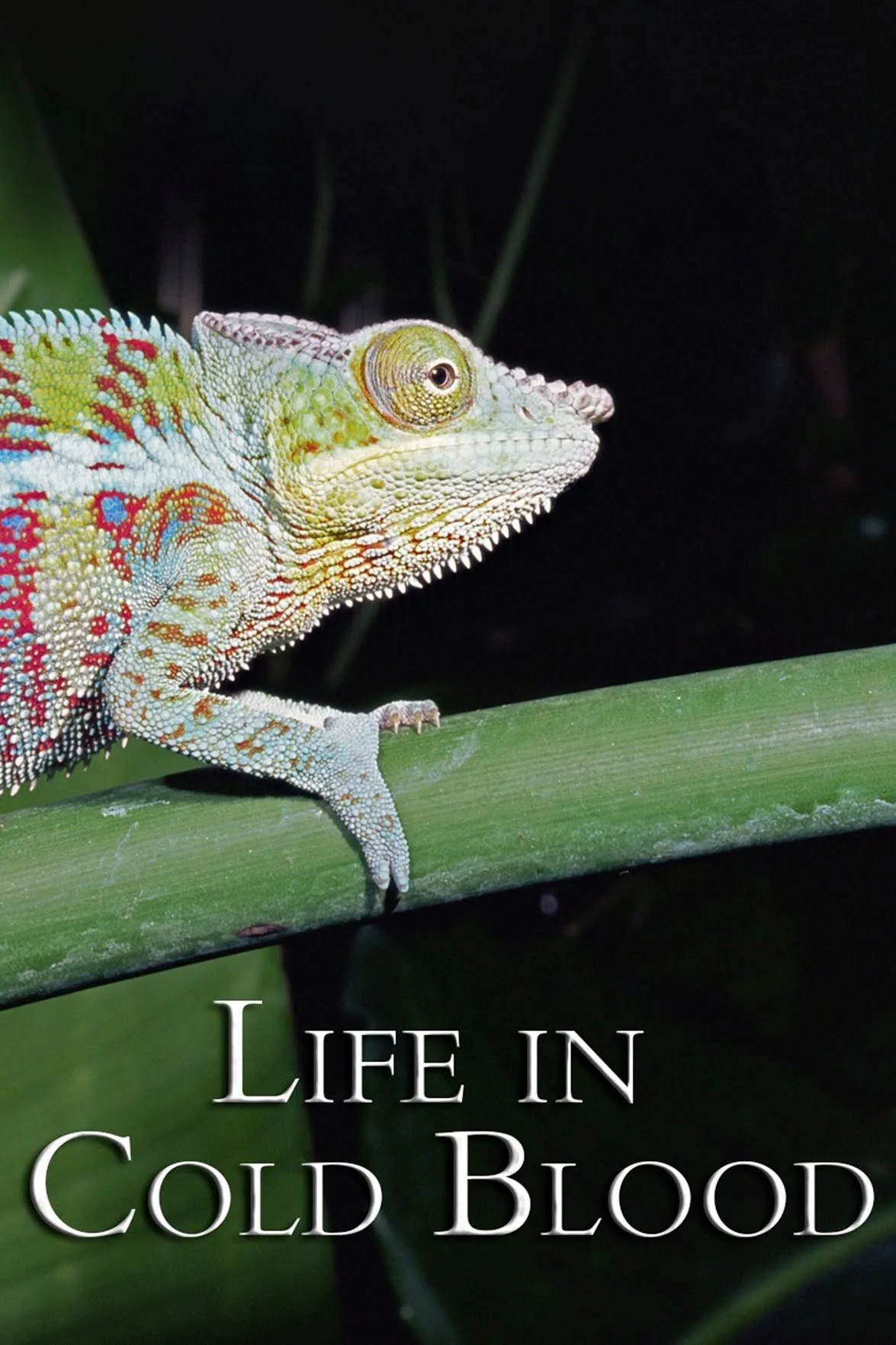
A nature documentary series written and presented by David Attenborough, that looks at the evolution and habits of amphibians and reptiles.
Presenter/Writer: David Attenborough
Executive Producer: Sara Ford
Series Producer: Miles Barton
"Under the Skin" Producer: James Brickell
Music Composers (Main Series): David Poore and Ben Salisbury
Music Composer ("Under the Skin"): Tony Briscoe
Production Companies: BBC Natural History Unit, Animal Planet, and The Open University
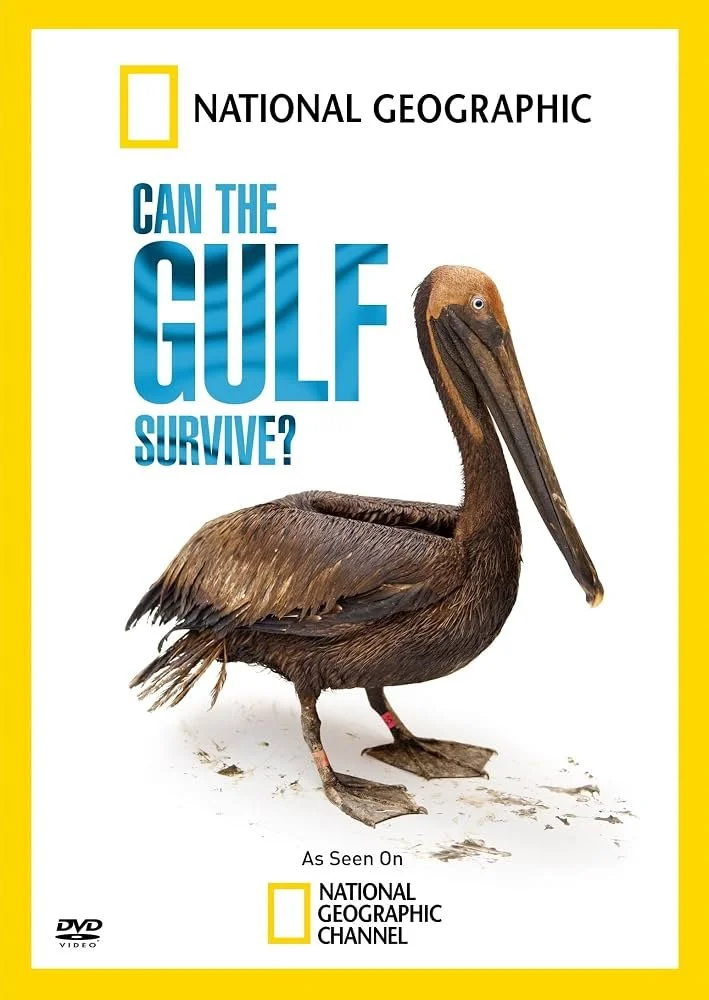
With exclusive access to BP's clean up operations, National Geographic investigates what happened to the 4.9 million barrels of oil that poured from the sea floor in one of the worst environmental disasters of all time. From the front lines of the cleanup efforts, National Geographic follows the first two months after the spill, tracking cleanup efforts as experts seek to learn the ongoing effects and BP battles the spill and the public's outcry.
Narrator: Peter Coyote
Writers / Producers: Jonathan Grupper and Max Salomon
Network: National Geographic Channel
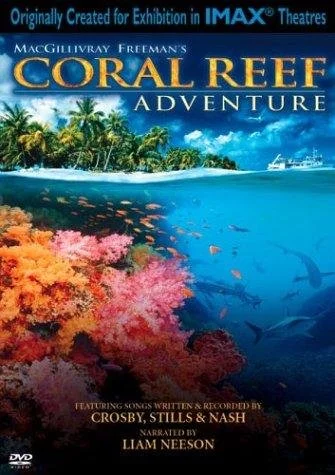
Coral Reef Adventure brings the beauty and mystery of the coral reef environment to the big screen with a film that both celebrates this vital ecosystem and warns of its imminent decline. The film follows the personal journey of two under-water filmmakers, Howard and Michele Hall, on a 10-month expedition across the South Pacific to explore and document some of the world’s most beautiful and endangered coral reefs. Coral reefs may become extinct within 30 years due to global warming, over-fishing and pollution, scientists warn. Coral Reef Adventure is both an emotional account of two extraordinary individuals doing what they can to help save the coral reefs, and an exciting story of drama and adventure. One of the most riveting sequences occurs when Howard Hall takes the IMAX camera down 370 feet to film a deep ocean reef, setting a record for the deepest a diver has taken an IMAX camera in the open ocean.
Major funding provided by the National Science Foundation
Produced and distributed by MacGillivray Freeman Films in association with National Wildlife Federation, Museum of Science, Boston, and Lowell, Blake and Associates
In promotional partnership with Quicksliver, SCUBAPRO, Smithsonian Magazine, and ADI/Sport Diver Magazine
Narrated by Liam Neeson
Featuring songs and music recorded by Crosby, Stills & Nash
Educational outreach support provided by NOAA and Reef Check
Runtime: 46 minutes
Format: filmed in 15 perforation/70 mm, 8/70, 10/70, Dome-customized 15/70
(MacGillivray Freeman Films)
Executive’s Monthly Favourite:
The Monk Seal Conspiracy (1988)
Author: William Johnson
The Mediterranean monk seal has been classified as one of the twelve most endangered animals in the world. Much loved by the ancient Greeks, in more recent years its habitat has experienced steadily increasing destruction. Urban growth, industrial poisons, mass tourism and overfishing have all taken their toll on this shy and reclusive creature. It has found its last refuge in the Eastern Aegean, a region where the hostile powers of Greece and Turkey confront each other across a few kilometres of sea.
For three years in the 1980s, William Johnson headed an international project to save the critically-endangered Mediterranean monk seal by creating a network of sanctuaries in the Eastern Aegean. But after increasing harassment by the Greek security forces, he was expelled from the country, branded as a 'spy'. The focus of his story, however, is not just a personal battle with a kafkaesque bureaucracy: it is why the Greek government and international conservation organisations are allowing the monk seal to slip silently into extinction…
In recounting his story, Johnson takes us to the lush Eastern Aegean island of Samos, into the headquarters of the Greek intelligence services, into confidential meetings of the world’s most influential conservation organisations… Vividly-described episodes, both comical and poignant, describe the fight to save Europe’s most endangered marine mammal and its polluted, tourist-jammed habitat.
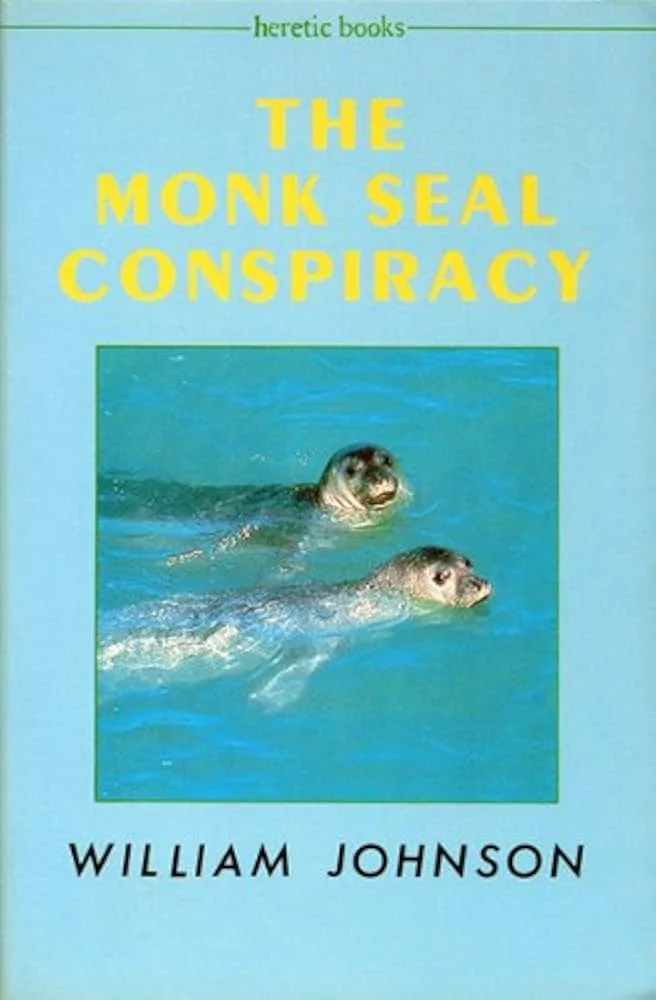
Author: Johnson, William (1988)
The Mediterranean monk seal has been classified as one of the twelve most endangered animals in the world. Much loved by the ancient Greeks, in more recent years its habitat has experienced steadily increasing destruction. Urban growth, industrial poisons, mass tourism and overfishing have all taken their toll on this shy and reclusive creature. It has found its last refuge in the Eastern Aegean, a region where the hostile powers of Greece and Turkey confront each other across a few kilometres of sea.
For three years in the 1980s, William Johnson headed an international project to save the critically-endangered Mediterranean monk seal by creating a network of sanctuaries in the Eastern Aegean. But after increasing harassment by the Greek security forces, he was expelled from the country, branded as a 'spy'. The focus of his story, however, is not just a personal battle with a kafkaesque bureaucracy: it is why the Greek government and international conservation organisations are allowing the monk seal to slip silently into extinction…
In recounting his story, Johnson takes us to the lush Eastern Aegean island of Samos, into the headquarters of the Greek intelligence services, into confidential meetings of the world’s most influential conservation organisations… Vividly-described episodes, both comical and poignant, describe the fight to save Europe’s most endangered marine mammal and its polluted, tourist-jammed habitat.
FULL CATALOGUE
About the Collection
Sourced from an initially discarded volume of texts that were once available at the formerly open Robin Best Library, which was located in the Vancouver Aquarium, this library gives old texts a second wind or chance to fulfill their mission of informing industry professionals or inspiring the next generations of eco-stewards to come.
The newly founded Library of Science & Education is a research & education-focused library of literature on conservation topics, including aquarium & zoo maintenance, wildlife care, and captivating direct-action conservation stories. By allowing student and member access to the volume, we can encourage organization staff, members, students, and the general public alike to re-establish an environment where both humans and wildlife can find the space, time and freedom to enjoy our lands and oceans in a manner that satisfies both needs through ecology-focused education, land management, and data collection. Scientists, science educators, and nature nerds will appreciate the variety of content, from aquarium & zoo reports to educational guides for informal teaching or early childhood educators.